 AI
Development
AI
Development
 Shopify
 Magento Open Source
 Adobe Commerce
 WordPress
 B2B Excellence





AI Agents vs Traditional Automation: What Businesses Need to Know
AI agents are transforming the definition of enterprise strategies for automation and disrupting the established rule-based process systems, within the operating frameworks of the enterprise evolving at the pace of the modern digital-business in today’s business climate.
- February 23, 2026
- by Tarun

Introduction
Businesses have been using automation to increase operational speed and cut costs for a long time. However, the automation field has changed since the advent of intelligent AI agents. AI agents vs traditional automation is now a huge debate. The decision to select one of them will directly affect the organisation’s workflow. Tradition AI follows a predefined set of rules and is used for repeated work. While AI agents have reasoning capabilities and can adapt to change to meet the goal. This article provides a comparison between these to help decision-makers make informed decision.


What is Traditional Automation?
Traditional automation means using systems that execute tasks according to the rules and procedures which human operators define. This includes things like robotic process automation (RPA) and workflow engines and macros and scripts.
Core Characteristics
Standard automation systems usually have these things:
- Rule-based thinking
- Predictable results
- Specific input requirements
- Not very flexible
- Very predictable
This type of system works best where there is predefined process, input are structures and minimal changes are required.
Where It Works Best
Old automation still works great for things like:
- Processing invoices with set layouts
- Calculating payroll
- Moving data between organized systems
- Making reports in batches
- Following compliance rules
Costs like these become justified because rules-based automation is necessarily extremely accurate.
The Downsides
Even though it works well and can be trusted, traditional automation has limits in how it is set up.
- Not easy to change: If you want to make changes to the process, someone will have to reprogram it.
- Can’t handle messy data: It can not work well with messy data. The tool has a hard time with emails, documents, images, and talk between people.
- Can’t make decisions: Rule engines can only follow the rules they’re given.
- Hard to maintain: As processes get harder, rule systems can break down and cost more to maintain.
These limits have created a need for new ways to automate.
What Are AI Agents?
AI agents stand for a better way to do things with automation. They use machine learning and big language models, and they focus on achieving goals. They can understand the situation, think through unclear information, and make quick decisions.
Features of AI Agents
AI agents typically:
- Focus on goals
- Understand the context
- Can learn
- Use reasoning skills
- Make their own decisions
- Work with different tools and APIs
Instead of following a set plan, these agents act like digital AI assistants. They look at the goals and decide how to achieve them.
Types of AI Agents in Business
There are a few types that most companies find.
- Task-specific agents: This is made to do just a few jobs, like sorting out requests in customer support.
- Workflow agents: They work with multiple business processes across different systems.
- Conversational agents: They handle customer or employee conversations.
- Autonomous decision agents: They change prices, stock, or routes as things happen.
- Multi-agent systems: Groups of agents work together to handle difficult tasks.
The level of skill is not the same for each setup and the data used for training.
AI Agents vs. Traditional Automation: What’s Different?
AI agents use smart rules that help them learn and adapt. Regular automation follows a set list of steps and does only what it’s told.
AI agents are able to change with new data and can find better ways to do a job. Traditional automation always works in the same way every time. So, one is flexible, and the other sticks to its plan. Many people and companies want AI agents because they can speed up work and make fewer mistakes.
Leaders must be aware of the main distinctions between these two strategies.
1. Decision-Making
Conventional automation adheres to predetermined guidelines. The procedure is halted or someone must intervene if an unforeseen circumstance arises.
However, AI agents are able to:
- Recognize ambiguous information
- Examine various options.
- Make wise choices.
- Deal with odd circumstances
AI agents are therefore helpful in circumstances that change quickly.
2. Adaptability and Learning
Until rule-based systems are updated, they do not get better. AI agents can get better at what they do through:
- Ongoing learning
- Feedback loops
- Support mechanisms
- Pattern finding
This ability to adapt is one big thing that sets AI Agents apart from Traditional Automation.
3. Handling Data
Standard automation works best with structured data. This can be things like tables or fixed forms.
AI agents can process:
- Normal language
- PDFs and documents
- Emails and chats
- Images and messy data
This is a big deal for companies that work with a lot of unorganized information.
4. Process Complexity
Traditional automation works well when a process’s steps are obvious and follow a straight line.
AI agents are capable of:
- Nonlinear processes
- Workflows with numerous issues that require attention or go wrong
- Organizing work across various systems
- Activities that are subject to order changes
This ability is now even more beneficial to people as the components of a business begin to become more interconnected.
5. How Much Work it Takes to Set Up
This is where the comparison gets interesting.
Traditional automation:
- Faster for simple tasks
- Lower initial risk
- Easier to check
- Predictable
AI agents:
- More complex to design
- Need data to be ready
- Rules for governance are necessary.
- Must be observed
How far along you are in using it will determine which option is best.
Need Reliable Automation partner to help grow your Business?
Our Experts Can Help!
Business Examples: Where Each Approach Shines
Looking at specific examples helps simplify the debate of AI agents vs. traditional automation.
When to Use Traditional Automation
Focus on traditional automation when:
- Processes are very repetitive
- Information is consistent
- Compliance needs clear rules
- Things don’t change often
- Mistakes cannot be tolerated
Examples:
- Financial reconciliations
- Set data pipelines
- Scheduled reporting
- Form-based approvals
- Integrating old systems
In these cases, AI can overcomplicate things.
When to Use AI Agents
AI agents are better when:
- Work needs human judgment
- The inputs do not follow a set order.
- The steps and ways things are done change a lot.
- There is talk between customer and worker.
- The time to make a choice has to be short.
Examples:
- Smart customer support
- Qualifying sales leads
- Changing prices in real time
- Managing supply chain problems
- Helping knowledge workers
- Prioritizing IT issues
These benefit from understanding the context.
What it Costs and the Return on Investment
A lot of people do not know how to look at the costs when they talk about AI agents and old ways to automate things.
The Cost of Traditional Automation
Traditional Automation Cost Profile
Strengths
- Lower starting costs
- Steady upkeep
- Many trusted partners in the market
- Simple to plan the budget
Hidden Costs
- Scaling is hard
- Extra work to keep rules updated
- Extra effort to deal with surprises
- Build-up of old technical problems
Over time, big rule-based estates can be costly to keep running.
AI Agent Cost Profile
Initial Costs
- Model integration
- Data setup
- Infrastructure setup
- Guardrail use
- Monitoring systems
Long-Term Advantages
- Reduced need for manual work
- Better handling of changes
- Putting processes together
- More areas can be handled by automation
- Better quality of decisions
Organisations often get better ROI when workflows are not simple and keep changing
Need a Stunning AI Agent Development Services?
We Can Help!
Risk, Governance, and Compliance
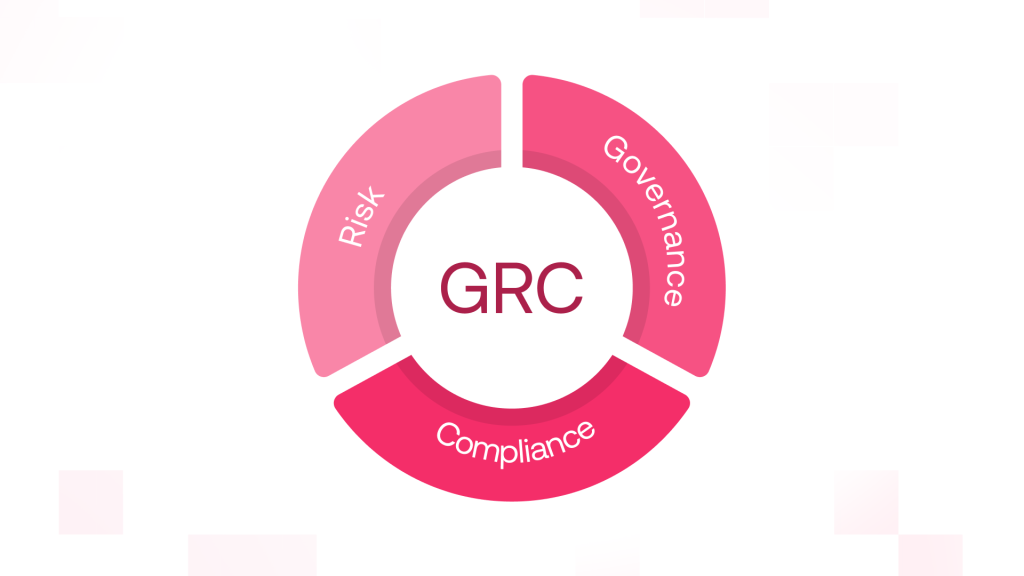
Many groups do not see how tough governance can be.
Risks in Traditional Automation
Traditional systems primarily face:
- Mistakes in the way rules are followed
- Changes in how things are done over time
- Fixed ideas that have been put into the system
- Not being able to see how all the steps work together
These risks are known and can be handled.
Risks in AI Agents
AI agents bring in additional concerns:
- Models can say things that are not true, especially when they work with words.
- Decisions can be opaque, making it hard to audit.
- Data privacy is an issue, especially when there is personal information
- Operational drift
- Learning systems may evolve behaviour over time.
Because of these things, strong AI governance frameworks are needed.
How to Make it Work: Choosing the Best Approach
Most companies do not see this as just one choice or the other. They think automation can have different levels.
Step 1: Sort Processes
Categorize workflows by:
- How much they vary
- Structure
- How often there are exceptions
- Decision complexity
- Compliance needs
This determines what kind of automation is suitable.
Step 2: Start with a Mix
Many leading companies use a layered model:
- Traditional automation for set tasks
- AI agents for tasks that need thinking
- Human oversight for high-risk decisions
This reduces risk and brings more value.
Step 3: Make Sure Your Data is Ready
AI agents need:
- Clean historical data
- Defined feedback loops
- Monitoring tools
- Clear rules
Without these, deployments won’t perform well.
Step 4: Set Up Safety Measures Early
Critical controls include:
- Action limits
- Confidence levels
- Escalation rules
- Audit logging
- Monitoring dashboards
Governance should be a priority.
Differences in Technology
When you look at the whole system, you see that AI agents and old ways of doing things with machines are not made the same way.
Traditional Automation System
Typically includes:
- Workflow engines
- Rule engines
- API connections
- Scheduling systems
These systems are predictable.
AI Agent System
Modern systems include:
- Foundation models or LLMs
- Memory layers
- Planning modules
- Tool coordination layers
- Monitoring
This introduces power and complexity.
Performance and Scalability
Scaling Traditional Automation
Scaling rule-based systems often means:
- More bots
- More scripts
- workflow branches
- More exception handling
This can make maintenance difficult.
Scaling AI Agents
AI agents scale differently:
- Handle differences better
- Reduce rule overload
- Improve with more data
- Support reasoning across domains
However, they need:
- Optimized computing
- Cost monitoring
- Managed latency
- Efficient prompts
Performance is critical.
Trends in Industry Adoption
Market signals show clear patterns:
- Companies aren’t abandoning their old automation methods.
- AI agents are now added on top of the old systems for automation.
- AI is being used fastest in work that customers see and deal with.
- Processes in the back office still mostly follow set rules.
- Multi-agent orchestration is new. But we are still in the early stages.
Organisations that try to achieve full agentic automation without governance will often result in setbacks. Incremental augmentation is the best approach for winning.
Common Mistakes Businesses Should Avoid
Mistake 1: AI Agents Replace Everything
In reality, using automatic tools that always do the same thing is still better when the work doesn’t change much. AI agents work with old systems, but they don’t replace them entirely.
Mistake 2: AI Agents Are Fully Independent
Most enterprise deployments still need:
- Human oversight
- Confidence thresholds
- Escalation paths
- Policy enforcement
Full independence is rare.
Mistake 3: It’s Easy to Implement
Successful AI agent deployment needs:
- Process redesign
- Data engineering
- Prompt engineering
- Monitoring
Underestimating this leads to failed pilots.
Mistake 4: Old Automation Doesn’t Work Anymore
Rule-based automation still offers value in places where things are planned and follow a set path. It’s about finding what works best for the task, not just using the latest thing because it’s new.
What’s Next?
AI agents and traditional automation seem to be coming together. They’ll work together, not replace each other.
Emerging Patterns
- RPA that’s supported by agents
- Agents that route tasks across systems
- Humans and agents working together
- Process mining + agentic execution
- Closed-loop optimisation of business processes.
In the next few years, most companies will use many ways to automate their work.
Advice for Business Leaders
To get through the world of AI Agents and Traditional Automation in the best way:
- Start by looking at your process. Try not to pick things based on tools first.
- Focus on the work steps that change often for AI agents.
- Keep deterministic automation in place when it’s already working well.
- Invest early in monitoring and governance.
- Roll out changes gradually.
- Build collaboration between IT, data, and operations.
- Keep checking how much you get back from your automation and keep an eye on any mistakes.
Organisations that see AI agents as a key part of how they work, not just a test, have the best results.
In Conclusion
The discussion about AI Agents vs Traditional Automation methods does not aim to establish one solution as the ultimate victor. Traditional automation shows its best performance when used to handle tasks that follow predictable patterns and established rules because it provides operational stability and traceable processes and budget-friendly solutions. The use of AI agents enables organizations to develop intelligent automated systems that can manage unpredictable situations and diverse conditions and make complex choices through their entire operational processes. Businesses that want to succeed in the future need to develop hybrid automation systems which combine their ability to work with fixed processes and their capacity to learn and adjust. Organizations that conduct process evaluations and establish strong governance frameworks and utilize AI agents for cognitive automation will achieve a competitive advantage through their implementation of these strategies.