 AI
Development
AI
Development
 Shopify
 Magento Open Source
 Adobe Commerce
 WordPress
 B2B Excellence





How AI is Transforming the Healthcare Industry in the UK: The Future of Intelligent Care


AI transforming healthcare industry in the UK. New tools in Artificial Intelligence are now a real part of daily care for patients. AI helps in checks, making plans for treatment, running hospitals, and managing public health. Many people want better care, and there are more older people now than ever. At the same time, the work doctors and nurses do keeps growing. AI is starting to help make healthcare better, easier, and kinder for everyone.
In this blog, we will look at how is AI transforming healthcare industry. We will talk about the main new things happening in UK healthcare. You will get to see the chances there are for medical organisations. We will also talk about how using digital solutions first is helping clinical care get better and faster.
Understanding the Rise of AI in the UK Healthcare Industry
The use of AI in the UK healthcare industry is going up. People are now seeing how it can help with many things in this field. The way doctors and nurses work is changing because of AI, powered by digital transformation. More hospitals and clinics now want to use AI to make things better for patients. The tools they use can help spot problems early and also help with daily work. This makes it easier for the people who give care.
The UK is now a top place for new ideas in health tech. The NHS and new private healthcare systems that use digital tools help push this. Also, artificial intelligence is now used in all parts of care.
Key factors driving this transformation include:
- More healthcare data is now easy to get. You can find patient records and images.
- Better computer programs can spot things people can’t.
- Shift towards personalised and preventive medicine
- The demand to get things done well in busy healthcare systems is going up.
- Digital tools are being used to make care easier to get and more correct.
AI is not just there to help anymore. It acts as a smart partner for doctors and nurses. It helps them make better choices, do more work, and give care that is quicker and safer. AI lets medical workers give care that is more exact, too.
AI-Powered Diagnostics: Get Results Fast and Right Every Time
AI transforming the healthcare industry, and one big way you can see this is in diagnostics.
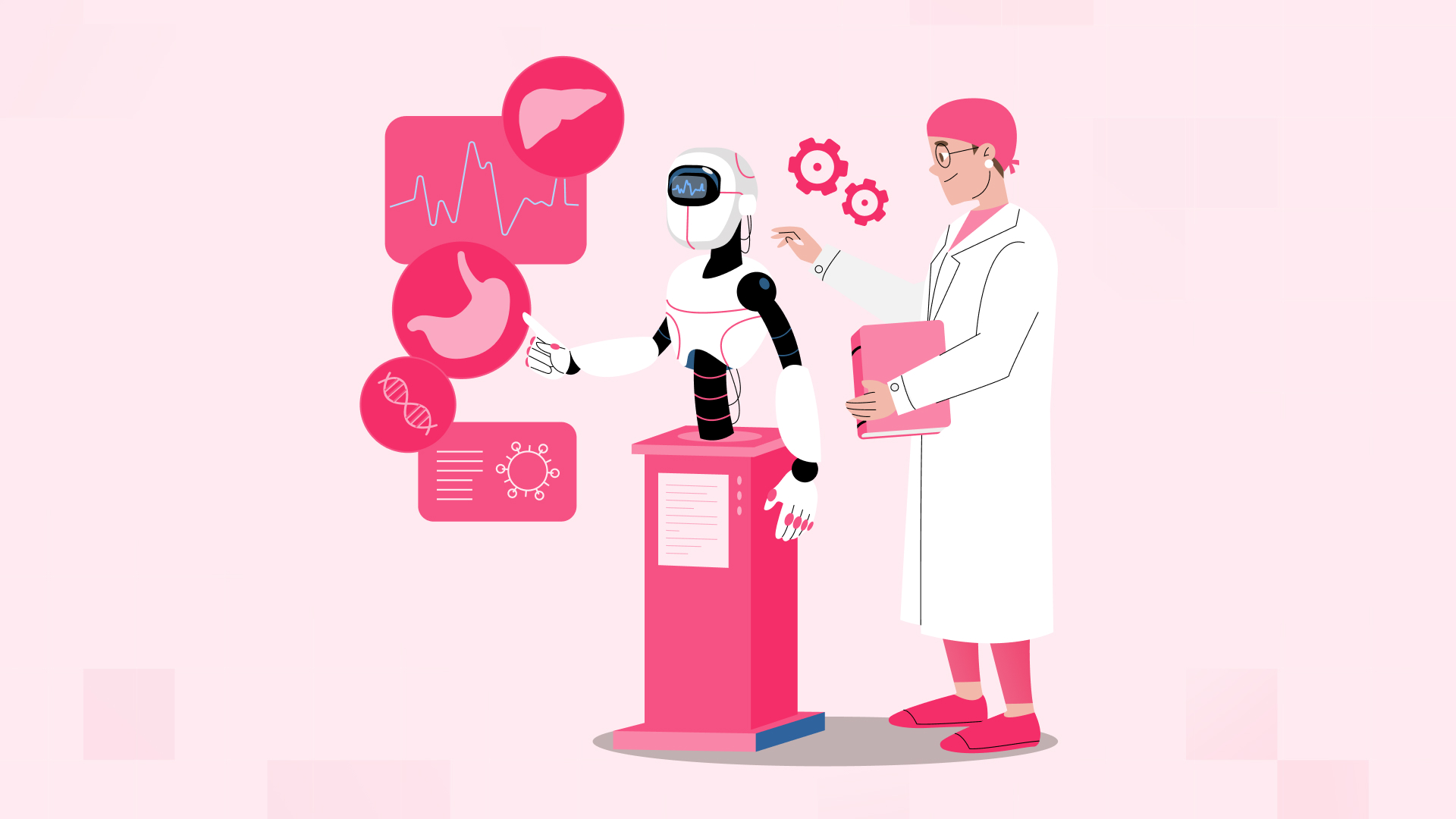
AI systems can look at medical images like MRIs, X-rays, and CT scans. They often find what is wrong with a person as well as top doctors can. These systems can spot early signs of things like cancer, nerve problems, eye problems, and heart issues.
Why it matters for the UK healthcare system
- Faster diagnosis reduces waiting times
- Spotting problems early means better survival rates
- More accuracy means fewer mistakes
- Clearing image backlogs helps the NHS
AI gives doctors better tools to make smart choices based on real-time information.
Changing Patient Care with Smart Monitoring
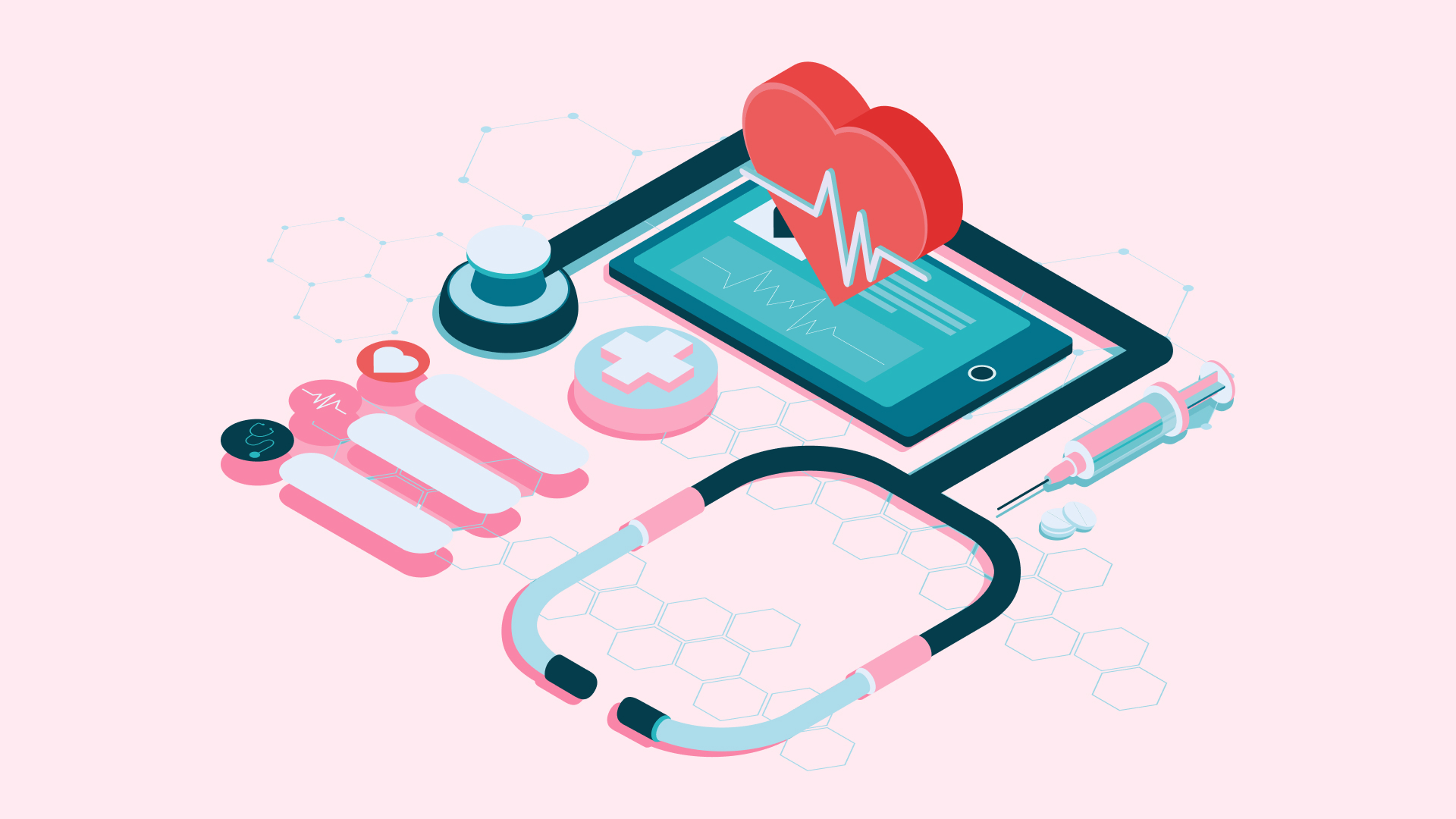
AI tools are changing how doctors handle long-term diseases and talk to patients.
Smart wearables, IoT devices, and AI-powered health apps collect data all the time about a patient’s heart rate, glucose levels, blood pressure, oxygen, sleep, and more.
How AI improves patient management
- Automated alerts for abnormal vital signs
- Predictive analysis to prevent emergencies
- Remote patient monitoring for at-risk groups
- Reduced hospital admissions
- Personalised health insights delivered instantly
This new way of doing things helps a lot when it comes to problems like heart disease, diabetes, asthma, and health issues that come with getting older. These are the kinds of problems that many people have to deal with in the UK.
Looking a technical partner to help grow your Business?
We Can Help!
AI in Drug Discovery and Research: Helping Medical Breakthroughs Happen Faster
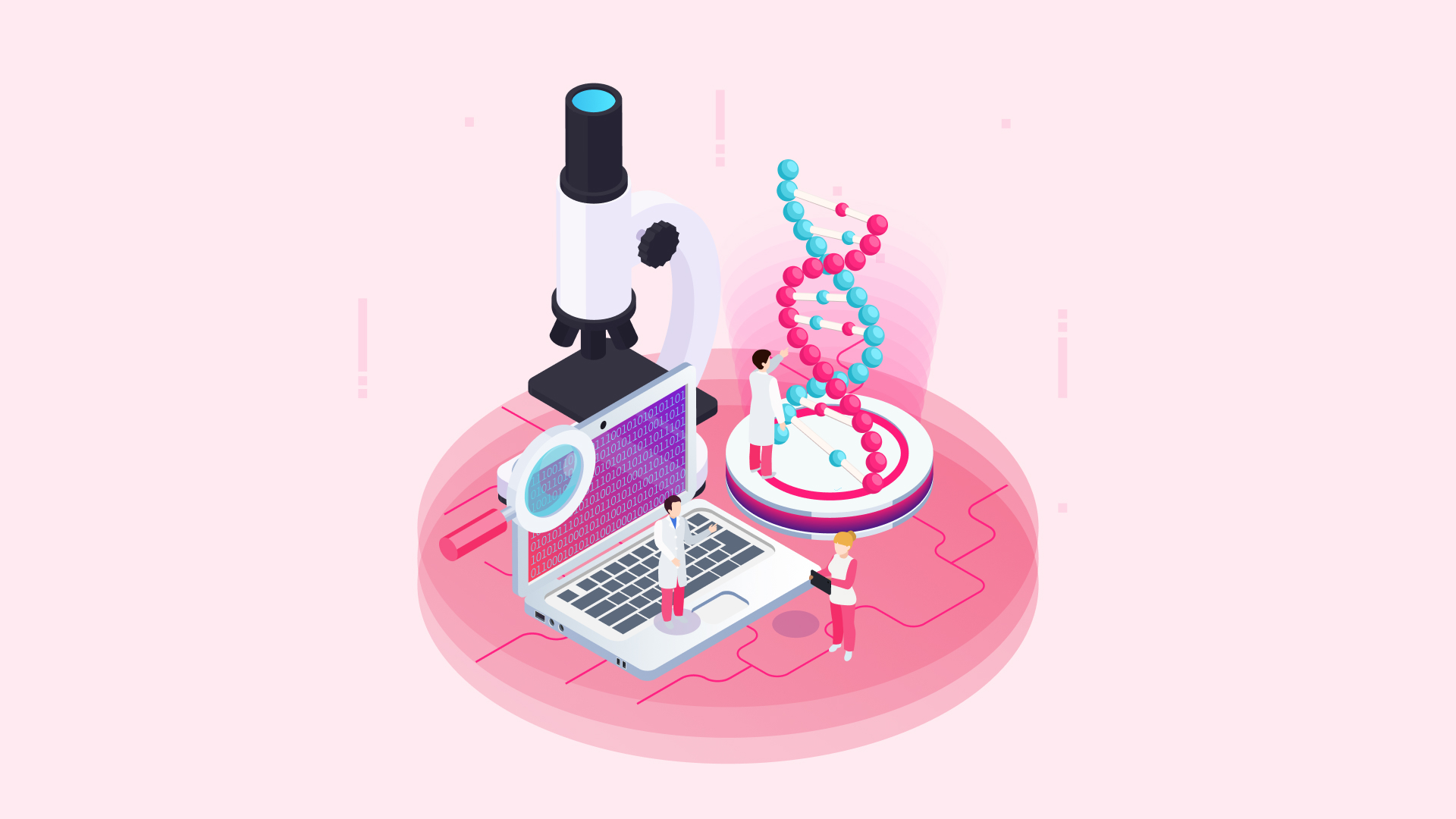
AI is making it much faster to find and create new drugs. In the past, this work might take scientists years. Now, they can do it in just a few months.
AI’s impact in medical research
- Identifies promising drug compounds faster
- Predicts how patients will respond to medication
- Reduces R&D costs for healthcare organisations
- Supports long-term disease modelling
- Accelerates development of personalised therapies
When the world faces big health problems, AI has become very important. It helps us find vaccines faster and helps doctors choose better ways to treat people.
Better Hospital Work with Automation
Besides clinical advancements, it’s important to be efficient. AI is used in UK hospitals to make admin and operations smoother, leveraging modern web development tools to streamline hospital workflows.
- Automating appointment scheduling
- Reducing no-shows through smart reminders
- Optimising patient flow within hospitals
- Managing staff allocation and shift patterns
- Predicting equipment maintenance and utilisation
- Helping people get admitted and leave the hospital faster
Hospitals are under a lot of pressure. AI systems help doctors and nurses use more time for caring for patients. They also help them spend less time doing paperwork.
Learn More about Automation in Healthcare industry.
Get Personalised Treatment Plans with Predictive Analytics
AI algorithms look at lots of patient data to give care tips for each person. This helps treatment work better and lowers problems later.
Benefits of predictive healthcare
- Predicts disease progression
- Helps create custom therapy plans
- Prevents adverse medication reactions
- Enhances preventive care strategies
- Increases treatment effectiveness
AI is helping to change the way people get care for cancer and mental health in the UK. This new approach uses smart tools to give each person the care that fits them best. The goal is to make sure people are at the centre of their healthcare.
AI in Mental Health Support and Behavioural Care
Mental health problems have become much more common in the UK over the last few years. AI tools like online mental health helpers, tools that look at how people act, and apps that track mood can help people get help more quickly.
How AI supports mental health services
- Spotting stress or feeling down early
- Round-the-clock patient support
- Behavioural pattern analysis
- Reduced strain on mental healthcare teams
- Personalised recommendations for self-help
While AI cannot take the place of human therapists, it is a strong tool that helps give early help and keeps care going over time.
Exploring Digital Transformation for Your Business?
Our Experts Can Help!
AI-Driven Robots and Smart Assistive Technologies
Robotics with AI is changing health care. It helps doctors work more exactly during surgery. Even basic day-to-day work can be better with this new tech in our homes and work. It also helps people move and get support.
Key applications
- Robot-assisted surgeries with unmatched precision
- Automated pharmacy dispensing systems
- Smart rehabilitation devices
- AI prosthetics
- Assistive robots in elderly care homes
These new ideas help patients get better. They help doctors make fewer mistakes when they do surgery. They also make it safer for people and the staff who work in hospitals.
Using AI to Make Data Safer and Keep Patient Info Private
AI-powered cybersecurity tools help keep safe the private information of patients. These tools are important in protecting that kind of data.
Security advantages
- Real-time threat detection
- Automatic responses to breaches
- Predictive security monitoring
- Encryption
- Reduced manual oversight
As more people move to digital tools, it gets more important to keep medical data safe. AI can help because it works fast and can handle big healthcare systems. It also makes it easier to protect data for all.
AI and the Future of Telehealth in the UK
Telehealth is now common in the UK, and AI is boosting it.
AI-enabled telehealth innovations
- Smart symptom checkers
- Virtual assistants
- Video consultations with integrated analytics
- Remote diagnostic tools
These systems make it easier for people to get care. It helps those who live in far places, older people, and people who find it hard to move around.
Challenges of AI Adoption in UK Healthcare
While there are many big chances in healthcare with AI, there are also some problems it has to face:
- Data privacy and governance concerns
- Integration with outdated legacy systems
- Skills gaps among healthcare professionals
- High implementation costs for some organisations
- Regulatory complexities
- Ethical considerations regarding decision-making
But, as more healthcare providers make their digital systems better and follow clear plans for change, these problems are getting easier for them to handle.
The Future of AI in the UK Healthcare Industry
The future looks bright. In the next ten years, AI will:
- Enable fully personalised medicine
- Power autonomous diagnostic systems
- Improve emergency response efficiency
- Strengthen virtual care and telemedicine
- Help run healthcare programmes across the country that can see what is coming.
- Enhance clinical research with real-time insights
- Speed up therapies
Combining AI and UK healthcare can create patient-focused and advanced medical services.
Conclusion: AI is changing the way healthcare works in the UK.
AI is transforming the healthcare industry, everything from diagnoses to hospital work and custom care. It helps doctors and nurses make fast choices. Patients have better experiences. Hospitals can work with less stress. Over time, it also helps keep people healthier.
For UK healthcare groups, bringing in AI needs the solid digital base, secure platforms, and tech support that experts offer.
AI is not just shaping the future of healthcare.
It is changing what modern, smart, and patient-focused care really is.