 AI
Development
AI
Development
 Shopify
 Magento Open Source
 Adobe Commerce
 WordPress
 B2B Excellence





Mobile Apps vs Mobile Websites: What Gets More Conversions in 2026
Discover which converts better in 2026: mobile apps or mobile websites, backed by real data, metrics, and UK business insights.
- January 28, 2026
- by Tarun
Understanding Mobile Conversion Behaviour in 2026
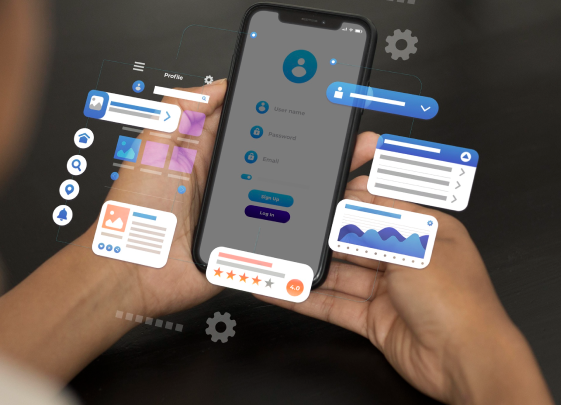
Mobile users in 2026 act in a new way compared to how they did, say, three years back. People do not focus for long now. They want things fast. They do not want to wait or deal with problems on their phones.
The main changes in the way people act that shape conversions include:
People want the page to load right away, even if the network is bad.
Personalisation is assumed, not appreciated
Re-engagement matters more than first-time visits
Loyalty is built through convenience, not novelty
Now, conversions are not only about buying something. They also include when people come back, make an account, save their settings, and how much they use your site over time.
Any look at Mobile Apps vs Mobile Websites must start here.


More people now use phones instead of computers to go online. In 2026, people now talk about how well phones work, not just if you can use them for your business. Companies do not just worry about being easy to use on phones. They want to know which phone setup helps them get more customers and gives better results.
This is where people start to talk about Mobile Apps vs Mobile Websites in an important way.
Customer acquisition costs are going up. Privacy rules are tighter. People now want things faster than ever. Because of this, how well users take action is important for every company.
This article looks at how well businesses get results in 2026. It uses real data and what people have seen work before. This helps businesses in the UK to make smart choices that are good for them.
Mobile Websites: Strengths, Limits, and Realities of Getting People to Act
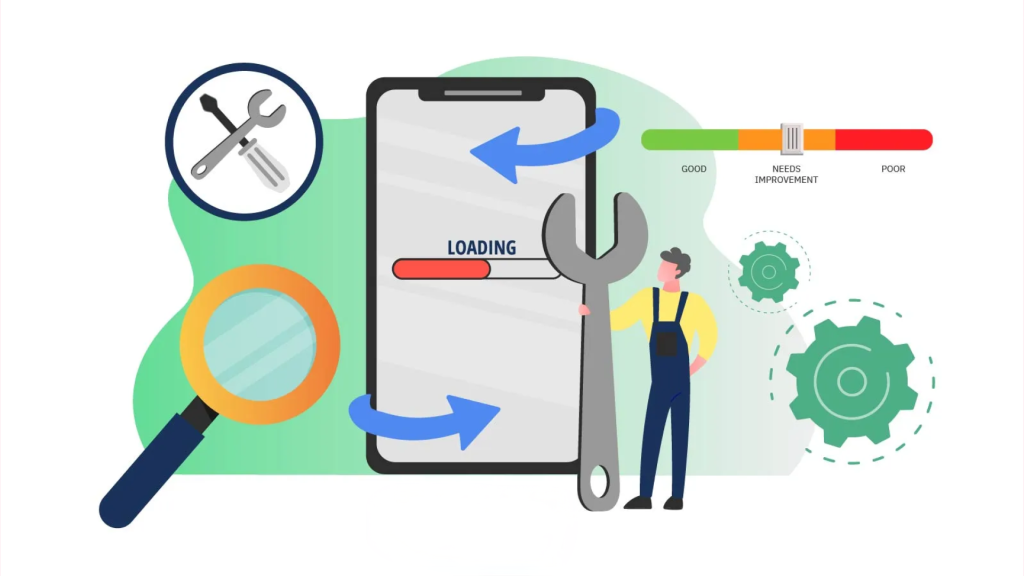
Mobile websites are still the easiest way for people to use digital content. They can work on any device, be found quickly, and are simple to set up. For a lot of businesses, mobile websites are the main way to get new customers.
Where Mobile Websites Convert Well
Mobile websites do well in the situations where:
- Users are in research or discovery mode
- Traffic comes from search or paid campaigns
- Conversions are one-off or low commitment
- Products or services require comparison
For businesses that focus on getting leads or sharing information, mobile websites are still very important.
Website Development is very important in this area. Performance optimisation, responsive layouts, and Core Web Vitals have a big effect on how many people buy or sign up.
Conversion Constraints of Mobile Websites
Even though there have been some improvements in progressive web technologies, mobile websites still face some built-in limits.
- Limited offline functionality
- Browser-based restrictions on notifications
- Slower performance compared to native apps
- Higher drop-off during multi-step journeys
In 2026, these limits will stand out more. People will look at web experiences and compare them to smooth app use.
Need Reliable Mobile Website Development partner to help grow your Business?
Our Experts Can Help!
Mobile Apps: Why More People Will Buy or Sign Up in 2026
Mobile apps usually work better than mobile websites when you want people to do things again and again. This is because you get more people to take action with apps.
Structural Advantages of Mobile Apps
Mobile apps benefit from:
- Faster load times due to local storage
- Native device support with camera, fingerprints, and payments
- Persistent login states
- Rich personalisation based on behaviour
These things help make each step of the funnel go smoothly.
A good app made by a skilled Software Development Company can take away many things that stop people from finishing what they want to do. Mobile websites cannot do this.
Engagement Drives Conversion
Apps are not just tools for quick tasks. They help people stay connected and interested. Push notifications, saved choices, and content made for your help the business get you back into the process of buying or signing up.
In 2026, the people who use the app buy things more often. They also spend more money each time they use it. These users are worth more to the app over time.
Exploring Mobile App Development for Your Business?
Our Experts Can Help!
Conversion Metrics That Matter: Apps vs Websites
When looking at Mobile Apps and Mobile Websites, you should not just pay attention to how much traffic they get. This does not give the whole picture. It is important to look at other signs that show real use and how people get the most out of it. These deeper performance indicators tell you more about what works well and what does not.
Key Conversion Metrics in 2026
- Session-to-conversion ratio
- Repeat conversion frequency
- Cart recovery rate
- Customer lifetime value (CLV)
- Time to conversion
Across most industries, mobile apps outperform mobile websites in all five metrics once a user has installed the app.
However, people still find it hard to install apps. That means mobile websites are very important at the start.
Ecommerce Conversion Performance in 2026
Ecommerce is the place where you can see the gap between how apps and mobile websites do very well. The difference shows up the most when people buy things on apps compared to when they use mobile websites.
Mobile apps dominate when it comes to:
- Repeat purchases
- Saved carts and wishlists
- Loyalty programmes
- Subscription-based models
Ecommerce Website Development is important to get new users and bring in people through search engines. But now, apps help companies make more money, not just get more sales.
When businesses work with an Ecommerce Web Development Company, they get the best results if their web and app plans match. This works better than using web and app as two different ways to sell.
The Role of Personalisation in Conversion Success
Personalisation is not a choice in 2026. People expect it.
Why Apps Win at Personalisation
Mobile apps can leverage:
- Behavioural history
- Location data (with consent)
- Purchase patterns
- Device-level signals
This helps to give people offers and content that matter to them at the right time. It can also make them more likely to take action.
Mobile websites can use personalisation in some ways, but there are limits. The browser and privacy rules stop them from doing it all the way.
More and more, Digital Transformation Services work to build one main data layer. This helps run mobile apps and websites together. It makes sure that there is the same personal touch for people at every step.
Cost, ROI, and Conversion Economics
How well something turns into results cannot be separate from thinking about cost.
Mobile Website Economics
- Lower upfront investment
- Faster deployment
- Easier iteration
- Strong SEO impact
Mobile websites are often the best way for early-stage or service-based businesses to get new customers. They cost less and help the business grow.
Mobile App Economics
- Higher initial development cost
- Ongoing maintenance and updates
- Stronger retention-driven ROI
- Higher long-term conversion value
Software Development Services use app architecture that can grow as your business does. This helps you get more value from your money. You will not need to spend as much on rebuilding apps or fixing technical problems later.
In 2026, you should not ask, “Which costs less?” Instead, think about, “Which can keep making money for us as time goes by?”
When Mobile Websites Convert Better
Even though more people use apps now, mobile websites still do better in some ways.
- First-time visitors
- Content-led journeys
- Search-driven discovery
For B2B services, education, and high-thought products, mobile websites often give better people who take action.
This is why a lot of UK businesses put money into both channels. They do not pick one and leave the other.
When Mobile Apps Convert Better
Mobile apps dominate when:
- User retention is critical
- Purchases are frequent
- Speed and convenience matter
- Personalisation drives value
Retail, fintech, subscription services, and marketplaces often get more people to take action on their apps in 2026.
The best businesses see a mobile website as a way to get new people. They see a mobile app as the way to make sales happen.
The Hybrid Strategy: Winning the Conversion Game
The strongest ways to get people to act in 2026 are mixed.
They use:
- Mobile websites for discovery and SEO
- Apps for loyalty, keeping customers, and repeat sales
- Shared analytics and customer data
- Unified design and UX principles
This way helps to cut down problems and makes things easier for people. It helps people stay longer and be more valuable to the business. It also helps protect digital changes for the future.
Businesses who are going through Digital Transformation Services often use this kind of model. They do this to stop their customers from having separate and broken experiences.
Final Verdict: Mobile Apps vs Mobile Websites in 2026
So, what converts better in 2026?
The answer can change based on where the person is in their journey.
- Mobile websites convert better for acquisition, discovery, and first-time interactions.
- Mobile apps help people come back more often. They also lead to more repeat buys, and bring good value over time.
The real edge comes when you bring both channels together with one clear plan. It also helps when you have strong tools and use data to make choices.
For UK businesses that want to get more people to take action, the main question is not about picking Mobile Apps or Mobile Websites. Now, it is about how well both of them can work together.