 AI
Development
AI
Development
 Shopify
 Magento Open Source
 Adobe Commerce
 WordPress
 B2B Excellence





Top AI Tech Trends Businesses Must Watch in 2026
Discover the top AI tech trends shaping business in 2026 and how to stay competitive.
- March 27, 2026
- by Tarun
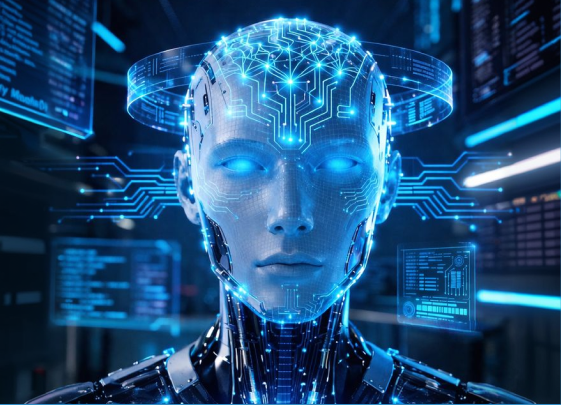
Artificial intelligence is not just a thing of the future now. It is changing the way companies do things and work with others. AI tech trends like predictive analytics and smart systems are changing many industries all over the world. Companies that know about these changes early can get ahead of others.
In 2026, artificial intelligence will be a bigger part of daily business work. Companies are putting a lot of money into AI tools. These help them do jobs faster, make better choices, give better service to customers, and lower costs.
This article looks at the main AI tech trends that businesses need to watch in 2026. When you know these trends, it can help your company get ready for the fut


The Growing Importance of AI in Business Strategy
AI is no longer just a test idea. It is now a big part of the plan for many businesses. Companies in many areas now use AI tools to help their team get more done and find new ways to grow.
Many things are making more people use AI now:
- Increasing availability of large datasets
- Rapid advances in machine learning algorithms
- Improved computing power and cloud infrastructure
- Rising demand for automation and efficiency
Businesses that use AI in the right way are getting many good things. They can now make faster decisions. Their guessing about what will happen in the future is better. The cost to run things goes down. They also get to talk to customers in a better way.
Global research reports say that when organisations spend money on AI, they often get higher productivity. They also see more innovation than those competitors who wait to use it.
As we go into 2026, it is important for every company to understand new AI tech trends. This helps them stay ahead in an economy where digital comes first.
Why Businesses Must Track AI tech Trends in 2026
Keeping up with new AI trends is not just about knowing the latest tools that are out there. It is also about making sure your business can keep running well and adjust to changes down the road.
Companies that monitor technological shifts can:
- Identify new market opportunities
- Improve operational efficiency
- Enhance customer experience
- Reduce risk through predictive insights
- Create innovative products and services
AI-powered automation can take care of small, repeated jobs. This gives employees the time to work on important things. In the same way, AI-driven analytics can show patterns that people do not always see.
Businesses that do not pay attention to new AI trends may get left behind. Their competitors who use AI better can move ahead of them.
Top AI tech Trends Changing Businesses in 2026
1. Generative AI Expanding Beyond Content Creation
The development of generative AI tools has experienced rapid growth during the past three years. People originally used these tools to produce written content and visual art. Now these tools are entering additional fields beyond their initial applications.
The year 2026 will bring expanded uses of generative AI for three business functions.
- Product design
- Marketing campaign creation
- Video production
- Data analysis
Businesses now use generative AI to make new ideas faster. The AI models enable rapid production of multiple product samples. This enables companies to test their concepts at a faster rate than traditional methods.
The new method will help you reduce costs while completing work more quickly. The new method enables faster delivery of your product to customers.
Need Reliable Software Development partner to help grow your Business?
Our Experts Can Help!
2. AI-Powered Automation Across Industries
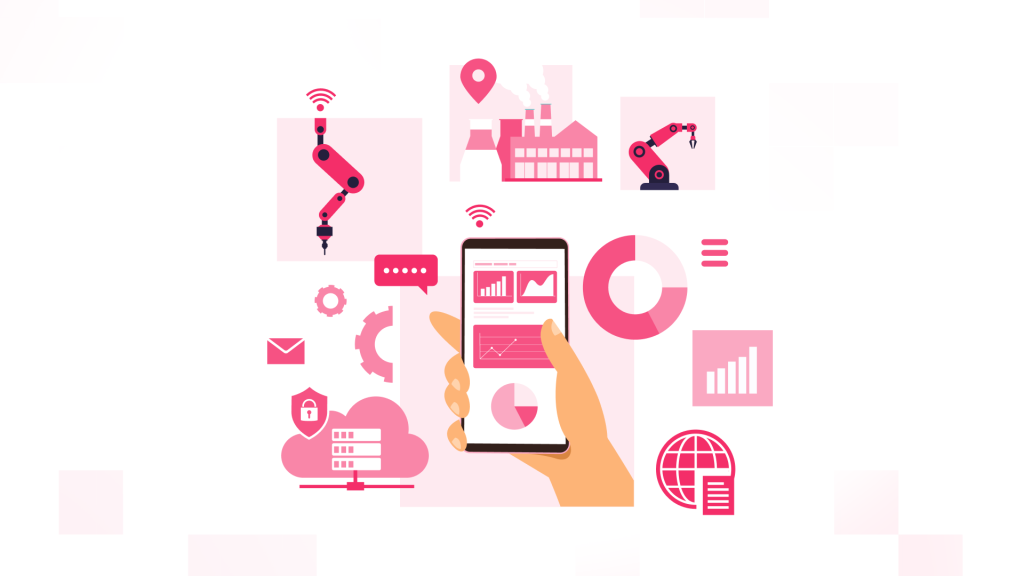
Automation is one of the most important AI technology trends shaping today’s businesses.
AI-based automated systems perform tasks which used to require human workers. The system helps organisations with tasks which include data processing and customer support and inventory management and financial verification.
Industries benefiting from AI automation include:
- Retail
- Healthcare
- Finance
- Logistics
AI-powered robotic process automation (RPA) enables organisations to examine thousands of tasks within a few minutes. The system ensures that all operations proceed according to predefined standards.
Companies achieve higher output because they replace manual processes with automated systems. The process enables them to dedicate additional time towards their significant projects and strategic initiatives.
3. AI-Driven Decision Intelligence
Decision intelligence has emerged as a crucial artificial intelligence solution which businesses now utilise for their operational needs.
The new method combines artificial intelligence with data validation and decision-making guidance to assist groups in making superior decisions. The AI tools analyse extensive datasets to produce recommendations based on their numerical observations and their predictive insights.
The advantages provide multiple benefits which include the following advantages:
- Improved strategic planning
- Faster response to market changes
- Reduced uncertainty in decision-making
- Enhanced forecasting accuracy
Business executives now use artificial intelligence tools to support their major corporate decisions according to current usage trends. The organisation applies this technology to manage its supply chain operations and to determine its financial investment strategies.
4. AI in Cybersecurity
The increasing sophistication of digital threats has made cybersecurity into the primary field where people most frequently apply AI technology.
AI-based security systems monitor unusual behaviour because they protect systems from immediate threats. The new security systems differ from traditional security systems. Every time new attack patterns emerge the AI systems generate fresh knowledge.
The main benefits of the system are
- Enables organisations to detect security threats at a faster rate
- Handles security incidents through complete automation
- Minimises mistakes which people make
- Provides increased protection against emerging cyber threats
The year 2026 will see businesses rely on AI security tools because online threats continue to escalate every year. To maintain security businesses must acquire these security tools.
5. AI-Powered Personalisation in Customer Experience
Customers want more now. People want brands to know what they like. They also want brands to give them experiences that feel personal.
AI helps businesses give customers more personal service. The system operates by analysing human behaviour together with their collected information.
Examples include:
- Personalised product recommendations
- AI-powered chatbots and virtual assistants
- Dynamic pricing systems
- Targeted marketing campaigns
Retailers and online platforms get a lot of help from AI-powered personalisation. Businesses increase customer interest while boosting sales through understanding customer preferences.
6. Edge AI for Real-Time Processing
Edge AI constitutes one of the main developments currently occurring in contemporary artificial intelligence technologies.
It operates directly on devices which include smartphones and sensors and industrial equipment.
The system processes data through its internal capabilities without needing to transmit information to large cloud servers.
The system provides several benefits which include:
- Delivers enhanced processing speeds which operate at increased efficiency.
- Decreases the amount of time needed to complete operations.
- Requires less network capacity for its operations.
- Enables users to keep their personal information secure.
Edge AI technology finds extensive application in industries which include manufacturing and self-driving vehicle operations and the development of smart urban environments. The technology helps them create decisions which require immediate action.
7. Explainable AI (XAI) for Greater Transparency
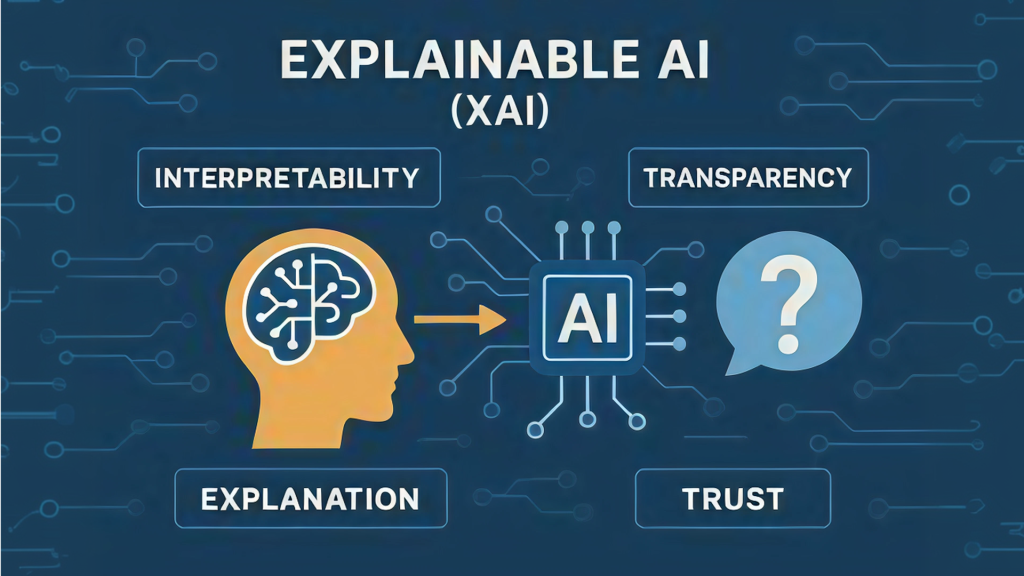
The development of advanced AI systems has resulted in business executives and regulatory authorities seeking to understand their operational mechanisms.
Explainable AI exists to show people how AI systems make decisions. This particular thing holds great value in healthcare and finance and legal systems. The fields require decision-making explanations because they build public trust and establish who is accountable for the process.
Benefits include:
- The public now trusts AI systems more than before
- Organisations meet all their required regulations
- The process provides better system debugging and performance enhancement
The companies that implement explainable AI demonstrate their capability to prove system fairness and ethical system usage.
8. AI Integration with the Internet of Things (AIoT)
AI and the Internet of Things come together to open up many strong new chances.
AIoT systems let connected devices look at data and make smart choices on their own, without people having to do anything.
Applications include:
- Smart factories
- Intelligent energy management
- Predictive maintenance
- Smart homes and cities
For example, AI-powered sensors can see when machines might break down before it happens. This helps companies stop problems and saves money by keeping things running.
9. Autonomous Business Operations
AI systems today have experienced their largest transformation because businesses now operate through autonomous systems.
Human support will only be necessary for business operations which will continue to function through automated processes. AI systems will take care of tasks like:
- Supply chain optimisation
- Financial analysis
- Customer support
- Workflow management
The systems have the capability to continuously acquire knowledge from incoming data. The systems can achieve operational improvements through their autonomous functioning capacity. This helps the work be smoother and cuts down on costs.
10. Responsible and Ethical AI Development
With every growing number of people and enterprises using AI, knowing what is right and wrong with it becomes still more important.
Organisations need to verify that their artificial intelligence systems demonstrate unbiased performance. AI systems must treat all individuals without showing any preference. The operational mechanisms of these artificial intelligence tools need to be understandable by all users. People who develop artificial intelligence systems must execute their work with both caution and ethical standards. The development of AI systems requires the following responsible practices:
- Reducing algorithmic bias
- Protecting user privacy
- Ensuring data security
- Following regulatory standards
Governments and international groups are giving out rules so that AI use is right and fair.
Companies that focus on responsible AI can build strong trust with their customers and other people who are important to them.
To get more ideas about good ways to use AI, businesses can check resources from the OECD AI Policy Observatory.
Need a Stunning AI Development Services?
We Can Help!
How Businesses Can Get Ready for Future AI Tech Trends
Using AI in your work needs good planning and a smart plan. Companies need to think about these steps if they want to stay ahead:
1. Invest in AI Skills and Training
People need to know how to work with AI tools. The training program teaches teams essential skills which include data analysis and AI system operation.
2. Build a Strong Data Infrastructure
AI systems need good data. Every organisation should spend money on strong data management. This helps keep the data correct and easy to get.
3. Start with Small AI Projects
Businesses can start with small AI projects. They can move to bigger systems later. The initial steps of this process enable organisational members to evaluate the advantages and disadvantages of artificial intelligence.
4. Collaborate with AI Experts
The collaboration between AI experts and technology providers and research groups will accelerate both AI application development and new AI innovations.
Benefits of Adopting AI tech Trends Early
Early AI adoption brings companies numerous advantages.
The main advantages of this system include:
- Provides improved work efficiency.
- Enables rapid development of new products.
- Helps businesses increase customer happiness.
- Provides organisations with enhanced ability to make choices.
- Enables companies to cut their expenses.
The first users of this technology will establish themselves as industry leaders.
Common Challenges Businesses May Face with AI
AI has various beneficial features, but its operational usage creates several problems.
Some common obstacles include:
- High implementation costs
- Data privacy concerns
- Lack of skilled professionals
- Integration with existing systems
The existing problems require suitable planning together with proper funding of essential resources for their resolution.
Conclusion
AI keeps getting better over time, and it is changing the way businesses work. In the next years, this will get even bigger. The AI tech Trends that will be seen in 2026 show a future where smart systems help people make choices, do tasks by themselves, and make the customer’s time better.
The current technological landscape is transformed by generative AI and automation and explainable AI and edge computing. The upcoming phase of digital transformation will drive organisations to use these modern digital tools.
Businesses that maintain continuous surveillance of emerging concepts while implementing those concepts in their operations achieve improved results in fast-evolving environments. Organisations achieve greater benefits from artificial intelligence when they invest in AI capabilities and establish proper systems and conduct ethical business operations.
The companies that use AI today will be the top in their field in the years to come.