
 AI
Development
AI
Development
 Shopify
 Magento Open Source
 Adobe Commerce
 WordPress
 B2B Excellence







Are you looking for a robust ecommerce solution? Then you should consider Magento Ecommerce, which offers an extensive platform with unparalleled functionality and versatility. However, you may be wondering, what exactly is Magento, and why should you choose it? Don’t worry, we’ll guide you through it all!
Despite the rapid growth of SaaS ecommerce platforms, Magento, now known as Adobe Commerce for its enterprise offering, continues to power thousands of ambitious online retailers worldwide. In 2026, businesses looking for flexibility, scalability, advanced B2B functionality, and complete ownership over their ecommerce ecosystem still choose Magento as their preferred platform. Whether you’re launching a new online store or planning an ecommerce replatforming project, Magento remains one of the strongest long-term investments available.
What is Magento?
Magento is a PHP-based platform designed for creating eCommerce websites, initially released on March 31, 2008, by Varien and developed on the Zend Framework. Over the years, it has become a popular choice for hundreds of thousands of businesses, including industry giants like Nike and Samsung, looking to establish their online presence. In 2018, Adobe acquired Magento for $1.68 billion, enhancing its capabilities and paving the way for further growth, particularly in the enterprise market. Customers enjoy a fast, consistent shopping experience through a unified ecommerce platform.
Magento in 2026: What’s Changed?
Magento has evolved considerably over the past few years. Adobe continues positioning Adobe Commerce as a composable commerce platform that integrates seamlessly with modern frontend frameworks, customer data platforms, AI-powered merchandising, and omnichannel retail experiences.
One of the biggest shifts has been the growing adoption of headless commerce architectures. Many businesses now combine Magento’s powerful backend with frontend technologies such as Next.js to deliver faster, more personalised shopping experiences.
Performance has also improved dramatically thanks to the widespread adoption of the Hyvä Theme, reducing frontend complexity while improving Core Web Vitals.
Artificial intelligence is also playing a larger role. Adobe Commerce users can now take advantage of AI-assisted merchandising, personalised product recommendations, intelligent search, and automated content workflows powered by Adobe’s AI ecosystem.
These developments allow businesses to maintain Magento’s flexibility while delivering the speed, user experience, and scalability expected from modern ecommerce platforms.
Examples of websites built on Magento
Magento continues to be one of the world’s leading ecommerce platforms. In 2026, it powers well over one hundred thousand live ecommerce websites globally and remains one of the most widely adopted enterprise ecommerce platforms. It continues to have strong adoption among B2B merchants and large retailers that require advanced customisation, scalability, and complex commerce workflows.
Numerous well-known brands have entrusted Magento Commerce with the task of building their websites, demonstrating their confidence in the platform’s capabilities. These brands recognise Magento’s ability to deliver robust e-commerce solutions that align with their specific requirements and contribute to their online success.
Let us walk you through some of the most well-planned Magento websites:
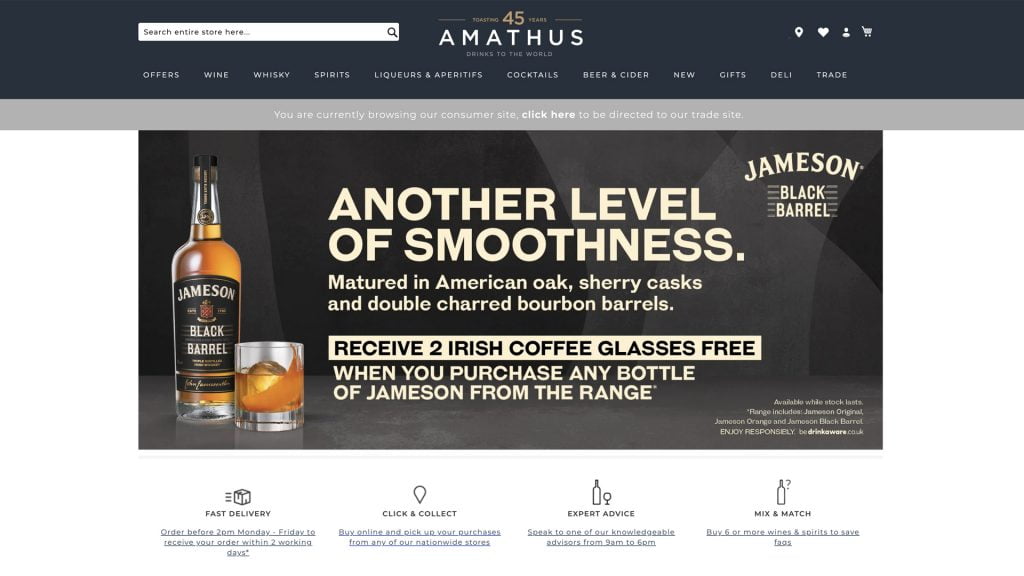
1. Amathus Drinks:
Amathus Drinks utilises Magento’s seamless product integration to showcase its diverse range of alcoholic beverages, ensuring effortless browsing and secure transactions. With Magento’s robust inventory management system, Amathus efficiently manages stock levels and offers personalised recommendations, catering to its discerning clientele’s preferences.
2. Gemar UK:
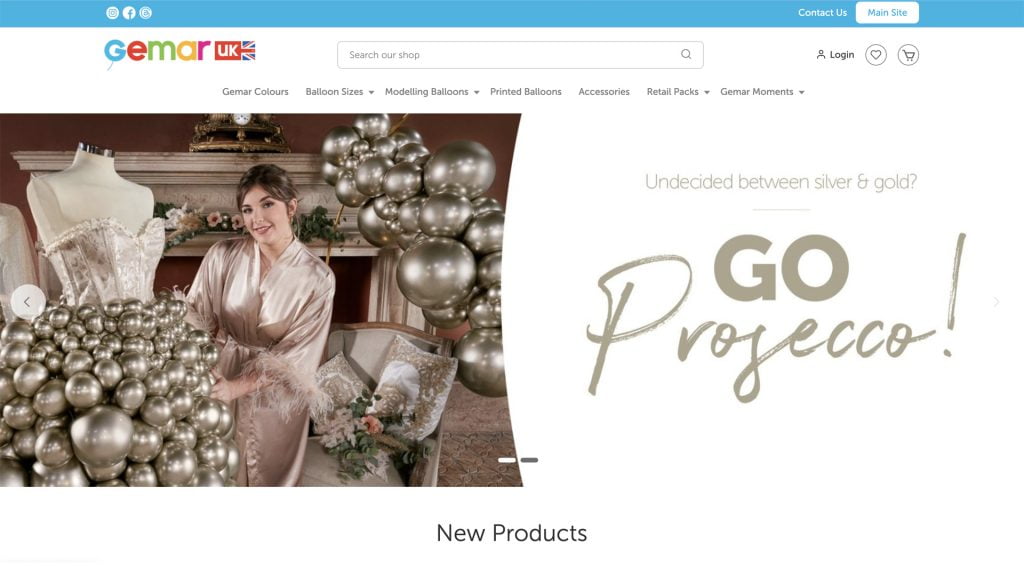
Gemar UK utilises Magento’s advanced inventory management features to efficiently track stock levels and automate order fulfilment processes for its specialised party supply business. With Magento’s customisable product attributes and categorisation options, Gemar effectively organises its extensive range of party supplies, ensuring streamlined browsing and checkout experiences for customers.
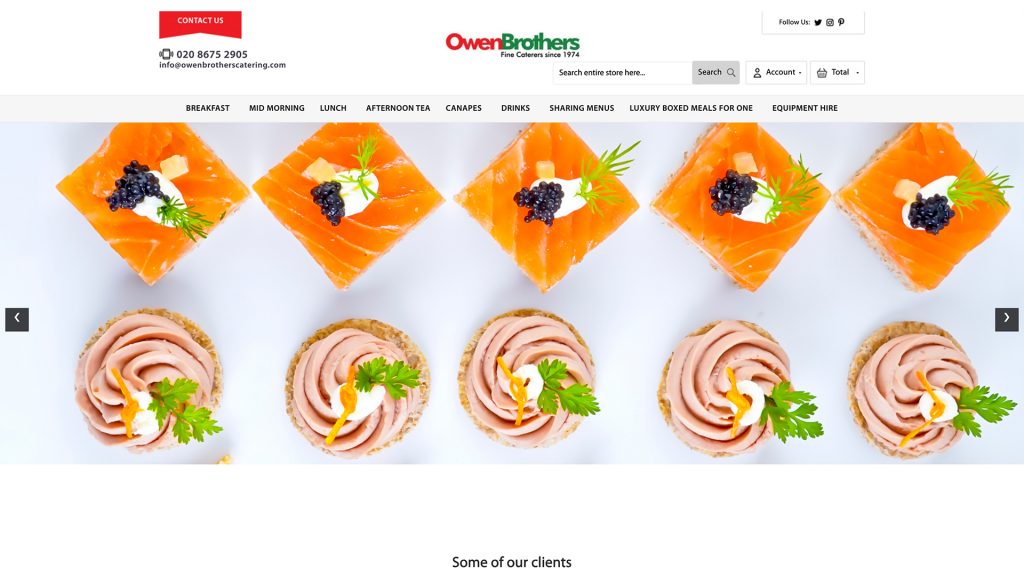
3. Owen Brothers Catering:
Owen Brothers Catering customises its website’s user experience using Magento’s flexible content management system, showcasing its diverse catering offerings and services. Leveraging Magento’s intuitive order management system, Owen Brothers efficiently processes catering orders and coordinates delivery logistics, while integrated customer relationship management tools foster customer loyalty through personalised interactions.
4. JTX Fitness:
JTX Fitness benefits from Magento’s scalability to handle high traffic volumes, supporting its dynamic fitness equipment marketplace. Leveraging Magento’s flexible product configuration options and advanced search functionality, JTX Fitness empowers customers to easily find and compare fitness equipment, while integrated payment gateways ensure smooth and secure transactions.

5. Temptation Gifts:
Temptation Gifts utilises Magento’s advanced analytics tools to gain insights into customer behaviour, optimising marketing strategies for increased sales. With Magento’s robust customer segmentation and targeting features, Temptation Gifts tailors promotional offers and product recommendations, while seamless integration with third-party marketing tools enables omnichannel marketing strategies to maximise brand exposure and revenue opportunities.

Why use Magento?
When it comes to creating a professional, long-lasting eCommerce website Development, Magento should be your top choice. Widely regarded as the premier open-source platform for building online stores, Magento stands out for its professionalism and, importantly, it’s completely free. With just a basic grasp of English and technology, you can leverage Magento to craft a truly impressive online presence, making your site truly monumental.
Here are some basic features of Magento:
- Product Management: Easily manage products with multiple images, optional product reviews, favorites list, and inventory tracking.
- Category Management: Efficiently organise and browse products by category for streamlined navigation.
- Inventory Management: Keep track of product stock levels, import/export inventory data, and effectively manage product availability.
- Client Account: Provide customers with personalised account features including order status, transaction history, preferred catalog, address management, and shopping cart functionality.
- Customer Service: Enhance customer experience with features like a contact form, comprehensive follow-up options, and email support.
- Order Management: Efficiently process and manage orders to ensure timely delivery and customer satisfaction.
- Payments: Offer various payment methods such as credit cards, PayPal, Authorize.net, Google Checkout, and support for external payment modules like CyberSource, ePay, eWAY, etc.
- Search Technology: Implement fast and user-friendly search functionality, including support for Google Sitemap indexing.
- International Support: Provide multi-lingual and multi-currency support to cater to a global audience.
- Promotional and Marketing Tools: Utilise built-in tools for creating and managing promotions, discounts, coupons, and other marketing campaigns to drive sales.
- Analysis and Reporting: Integrate with Google Analytics to gather valuable insights and generate various reports for performance analysis and optimisation.
Who Should Use Magento?
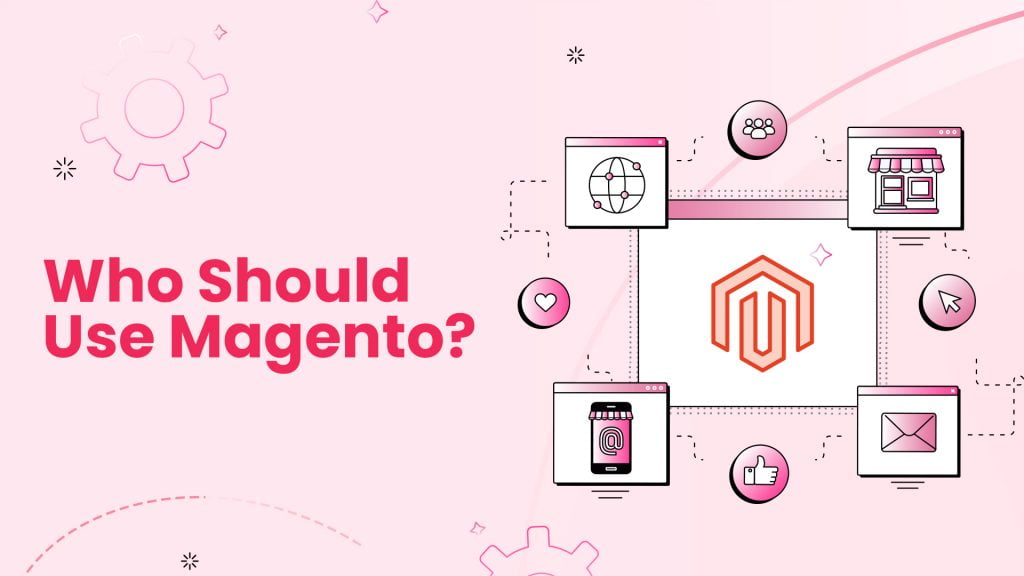
Magento is an excellent choice for ecommerce businesses, whether you’re the owner or part of the management team. It’s designed to be user-friendly, even for those without technical expertise. This means you can dive into building your online store without worrying about complicated development processes.
However, don’t let its user-friendliness fool you – Magento is a robust platform capable of handling millions of customers. As your business grows, the complexity of managing the system may increase slightly. For startups and small businesses looking for simplicity, user-friendly web design tools like HubSpot’s Drag-and-Drop Website Builder could be a better fit.
While Magento is intuitive for basic setup and management, there may come a point where you’ll need expert support, particularly when integrating ERP systems, payment gateways, CRMs, or other third-party applications. Working with an experienced Magento development agency can help you build a scalable, secure, and high-performing ecommerce store while ensuring your platform is ready to support future business growth.
What makes Magento different from other ecommerce platforms?
Open source – Highly customisation
Open source platforms like Magento Commerce offer highly customisable solutions for e-commerce. Unlike proprietary platforms, where customisation options may be limited, Magento provides flexibility and scalability, allowing you to tailor your online store to your exact specifications.
For instance, consider a scenario where a clothing retailer wants to create a unique shopping experience for their customers. With Magento Commerce, they can easily customise their website layout, add personalised product recommendations, and implement special features like virtual try-on tools—all to create a distinct and memorable brand experience.
In contrast, while paid e-commerce platforms are available, they often come with predefined templates and limited customisation options. These platforms may not offer the same flexibility and adaptability as ty as Magento Commerce, making it more challenging for businesses to create truly unique and differentiated online stores.
Freedom to choose the hosting services
Magento empowers eCommerce retailers by allowing them the freedom to choose their preferred hosting platform. Unlike other platforms that may restrict users to specific hosting providers, Magento enables businesses to select from a variety of hosting options, granting them the flexibility to host their files wherever they see fit. This freedom gives online shopping businesses greater control over their hosting decisions and the ability to tailor their hosting setup to their unique needs.
Responsive mobile
Magento excels at maintaining top-notch standards in mobile web design, ensuring that both the free community edition and the enterprise version deliver an exceptional mobile shopping experience. By leveraging the power of HTML5, Magento guarantees that your eCommerce store is always optimised for mobile devices. So whether your customers are browsing on their smartphones or tablets, you can rest assured that your online store will provide a seamless and engaging shopping experience on any device.
Simple platform integration
Third-party modules and add-ons are simple to incorporate into your Magento store.
This provider does not impose any limitations on modifications. Magento helps store owners analyze data by integrating Google Analytics and other third-party applications. These include eBay, PayPal, and Mailchimp.
Your task is to research the best devices and “plug” them into your store as soon as possible!
Adding to Magento’s flexibility, you may improve your e-commerce business by integrating it with ERP, shipping, and accounting systems. This smooth integration increases overall efficiency, optimises inventory management, and streamlines finance procedures.
Boost the speed of your website
In terms of page loading speed, Magento reigns supreme once more!
Magento is renowned for creating fast-loading web pages and aims to deliver some of the fastest eCommerce sites worldwide.
Furthermore, as you are undoubtedly already aware, pages that load slowly will “sink” quickly. The loss resulting from a delayed loading page is frequently seen right away, which occasionally has unexpected repercussions.
Because Magento can be customised and has a high level of trust, its performance as a platform may surprise you. You may amaze your clients and speed up your website even more by using a PWA shop.
SEO friendly
Magento is not just a powerful e-commerce platform – it’s also an SEO-friendly content management system, commonly known as Magento SEO.
Packed with a plethora of SEO features, Magento ensures your online store is optimised for search engines:
- Search-friendly URLs
- Sitemaps
- Layered navigation
- Product titles, keywords, meta tags, and meta descriptions
In the realm of SEO, Magento ecommerce stays ahead of the curve by staying up-to-date with the latest ranking factors. It offers excellent URL structures and robust meta-implementation options essential for optimising your website for search engines.
Additionally, Magento provides built-in analytics tools for tracking web visitors, making it a standout feature of the platform. Magento helps your store look great, rank higher, attract more traffic, and boost sales.
Magento Open Source vs Adobe Commerce
When it comes to choosing the right platform for your e-commerce business, the debate often boils down to Magento Open Source vs. Adobe Commerce. Both options offer powerful features and capabilities, but they cater to different needs and budgets.
Magento Open Source, the free version of Magento, is a popular choice among smaller e-commerce ventures and startups. It provides a robust set of features, including product management, inventory management, customer accounts, order management, and more. With its open-source nature, Magento Open Source offers flexibility for customisation and scalability as your business grows. It’s an ideal choice for businesses looking for a cost-effective solution without compromising on functionality.
On the other hand, Adobe Commerce (formerly known as Magento Commerce) is a premium, enterprise-level e-commerce platform offered by Adobe. It includes advanced features and tools designed for large businesses and high-volume online stores. Adobe Commerce offers advanced marketing, promotion, customer segmentation, and content staging tools. It also provides stronger support and security features. Although Adobe Commerce comes with a cost, it offers a complete solution for businesses needing advanced features and dedicated support.
Choosing the Right Platform for Your Business
Ultimately, the choice between Magento Open Source and Adobe Commerce depends on your business needs, budget, and long-term goals. If you’re a small business seeking flexibility and affordability, Magento Open Source may be the better choice. For larger enterprises with complex needs, advanced features, and support, Adobe Commerce could be a better option. Both platforms offer powerful tools to build successful online stores and drive business growth.
Businesses choosing between Magento Open Source and Adobe Commerce should consider more than licensing costs. Adobe Commerce offers advanced B2B features, customer segmentation, visual merchandising, and AI-powered product recommendations. Its enterprise-level cloud infrastructure makes it ideal for growing and large-scale ecommerce businesses. An experienced Adobe Commerce development agency can help implement these features efficiently. It also ensures long-term scalability and performance.
Wrapping Up
In conclusion, Magento Ecommerce is a leading choice for businesses seeking to establish and grow their online presence.
With robust features, flexibility, and innovation, Magento provides a comprehensive solution for creating professional, high-performing e-commerce websites.
Magento’s open-source, highly customizable platform offers seamless integrations and excellent mobile responsiveness. Its fast page loading speeds help deliver a superior online shopping experience for businesses and customers.
Magento continues to evolve alongside the changing ecommerce landscape. With modern frontend technologies and AI-powered commerce capabilities, Magento delivers improved performance and enterprise-grade scalability. It remains a strong platform for ambitious online retailers. Whether launching, migrating, or scaling an ecommerce store, an experienced ecommerce agency can maximize Magento’s capabilities. They can also build a platform designed for long-term growth.
Yes. Magento remains one of the leading ecommerce platforms for businesses that require flexibility, scalability, advanced B2B functionality, and complete control over their online store. While Shopify dominates the SMB market, Magento continues to be a preferred choice for growing and enterprise businesses.
Magento Open Source is free to download and customise. Businesses are responsible for hosting, development, security, and maintenance costs. Adobe Commerce is the enterprise version that includes additional features and licensing fees.
Magento Open Source provides the core ecommerce platform, while Adobe Commerce includes advanced capabilities such as B2B tools, AI-powered merchandising, customer segmentation, content staging, and enterprise support.
It depends on your business goals. Shopify offers simplicity and quick setup, while Magento provides greater flexibility, customisation, and scalability for businesses with more complex ecommerce requirements.
The cost depends on project complexity, integrations, custom functionality, design requirements, and whether you choose Magento Open Source or Adobe Commerce. Small projects can start from a few thousand pounds, while enterprise implementations are significantly larger investments.