 AI
Development
AI
Development
 Shopify
 Magento Open Source
 Adobe Commerce
 WordPress
 B2B Excellence





Top AI Features in eCommerce: The Full Guide to Making Better Online Stores (2026)
Discover how AI features in eCommerce boost sales, personalise experiences, and transform your online store into a revenue machine.
- April 1, 2026
- by Tarun

Introduction: Where online shops start to know and guess what you need
Something basic has changed in online shopping — and it is not coming. It is already here. The best eCommerce companies of 2026 do more than just sell things. They know what customers want even before they say it. They change prices very fast, sometimes in the blink of an eye. They also give each customer an experience that feels like it is made just for them.
This is the reality of AI-powered commerce. The AI-enabled eCommerce market was worth $8.65 billion in 2025. It is set to grow to $22.60 billion by 2032. Traffic from generative AI sources to retail sites went up 4,700% in the past year. Now, 77% of eCommerce professionals use AI every day. This shows that they moved from just trying it out to using it for their main work.
AI is not just something you add to a store anymore. It is now the frame that future top stores use. Here are the most important AI features in eCommerce that every retailer should know.


Hyper-Personalisation: Everyone Gets Their Own Journey
True personalisation is more than just using a person’s first name in an email subject. AI uses real-time signals, like what people do online, what they buy, and how prices change for them. The AI picks up on these actions, as well as the context of each person’s session. With all this detail, AI shapes every part of the shopping experience for them.
71% of people want brands to give them a personalised experience. Also, 76% feel upset when brands do not do this. The good news for brands is clear. Using AI for personalisation can help boost sales by up to 41%. Personalised emails also get transaction rates that are six times higher than standard broadcasts.
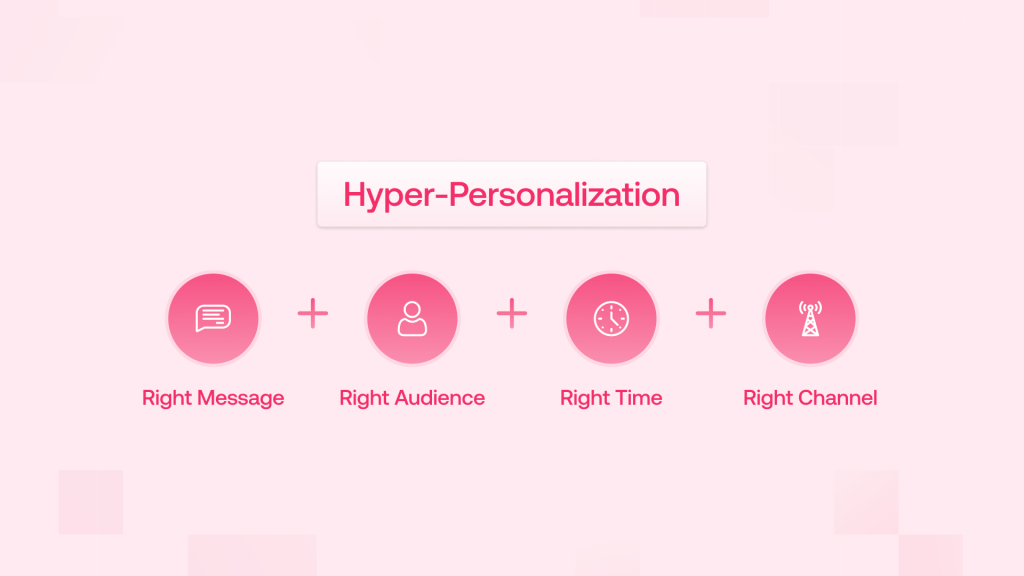
A new visitor gets a homepage that is set up for them. This page changes based on where they came from and what device they use. When a customer comes back, they will see their favourite categories right in front of them. They also get smart alerts that remind them to refill what they need. Brands that use this kind of strong hyper-personalisation see their average money earned from each user go up by as much as 166%.
AI-Powered Product Recommendations
Today’s recommendation engines provide more than basic “customers also bought” display systems. The current systems use deep learning technology to achieve improved predictive capabilities, driven by advanced Software development practices. The system analyses customer purchase patterns, their pricing perceptions, their shopping times, and their preferred browsing styles.
Product recommendations can help bring in up to 31% of the money eCommerce sites make. When customers use personal suggestions, the average order size can go up by as much as 369%. There exists a major distinction between reactive recommendations and predictive recommendations. A predictive system will show you a product recommendation which you can purchase based on your past purchase from a year ago while it will also provide you with a recommended item which you will require in the future. The recommendation tool transforms into a main revenue stream for the company because of its ability to generate income.
Intelligent Site Search That Gets What People Want
People who use the site search are often ready to buy something. But 30–40% of the time, they do not find what they want. This means they leave with nothing and the business loses money every day.
The AI search system uses basic language rules to determine user search intent, which plays a key role in effective Website Development. The system goes beyond simple word matching to provide its functionality. The search results show answers to your query when you search for comfortable shoes for standing all day. The system can understand words which have identical meanings together with spelling errors and words which change based on user requirements. The system works when users perform searches that include multiple search items. This way, you see results that show what people really want, not just what they typed.
Stores that use AI-powered semantic search see higher rates of people buying things. They also see a lot less “zero-results” pages, so the search is not a dead end but a way to make money. When visitors find what they want, they often look through more of the items and come back to the store more often.
Need Reliable Web Development partner to help grow your Business?
Our Experts Can Help!
Conversational AI Chatbots That Never Sleep
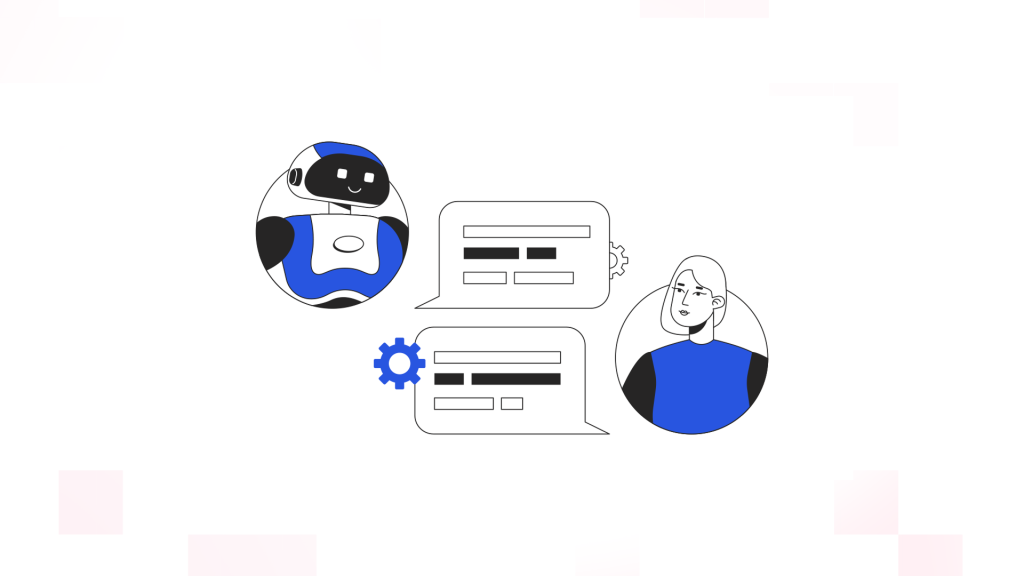
AI chatbots now do much more than just answer questions. The best ones help people pick products. They help if you are not sure about buying, give you special offers to finish your order, and send the tough cases to a real person when needed.
AI chat helps people buy at a rate that is four times higher (12.3% compared to 3.1% without AI help). People also finish their purchases 47% faster when they get help from AI tools. Now, 73% of shoppers are fine with using AI-powered chatbots to help with support — so most people do not mind using these chatbots. The only thing left is to start using them.
Predictive Analytics and Dynamic Pricing
It helps to know what happened. But knowing what will happen next can give you an edge.
AI-powered predictive analytics combines purchase history, seasonal trends, and market data to make demand forecasts for each item. A retailer who sells outdoor gear can know there will be more need for waterproof clothing two weeks before autumn starts, so they can change stock, prices, and ads early. Companies that use AI say they see their revenue go up by 10 to 12 percent, on average, making it a key part of broader Digital Transformation initiatives. People expect AI to boost profits by 59% by 2035.
Dynamic pricing moves ahead by changing the price that each visitor sees. It does this by looking at real-time demand, what competitors charge, how much stock is left, and what group the customer is in. The best engines can see how willing each customer group is to pay. These engines aim to boost both the chance that people buy and the profit at the same time. But they do this without using unfair prices and do not upset loyal customers.
AI-Driven Inventory Management

The two big problems in eCommerce stock are running out of items, which leads to lost sales, and having too many items, which takes away profit. Both of these issues can be fixed in a big way with AI.
Businesses that use AI to make inventory better can cut down lost sales by up to 30%. When they bring in AI, they can also have 35% less inventory. On top of this, the companies can save 15% on what they spend to move goods. These are not small gains. They show real improvements in working capital and how the business runs.
AI inventory systems help make demand forecasts. They look at things like season changes, sales calendars, supplier delivery times, and social media trends that show what people may want. These systems can place orders without you doing it by hand. This saves your team time and lets them focus on bigger plans instead of just working with spreadsheets.
Looking for a Partner in Your Ecommerce Development Journey?
We Can Help!
Fraud Detection, Visual Search, and Voice Commerce
The system detects fraudulent activities by analysing data in real-time to identify unusual patterns. It creates a standard pattern for normal transaction activity which enables it to detect multiple violations that happen simultaneously. The process can be completed within three milliseconds. Implementation of AI risk scoring enables organisations to detect additional fraudulent activities which results in a process improvement of 30%. In 2025, 56% of eCommerce companies increased their investments in AI technology which helps them detect fraudulent activities.
Visual search technology solves a frequent problem that exists in the fashion industry and furniture industry and home décor industry. People who see something they like will recognise it, but they cannot describe their preference. The system allows customers to take a picture of their preferred chair and send it through the system. AI system analyses the chair through its style and colour and material and dimensions to match it with similar items in the catalogue. The system streamlines the process of discovering something you want to purchase.
Voice commerce has now become a real way for people to shop. Approximately 60 percent of consumers have used voice assistants to make purchases through spoken commands. To achieve optimal results from voice technology brands must understand how people communicate and which questions they ask instead of implementing only keyword methods. The new method supports brands that invest time and effort into creating content that resembles authentic spoken language.
Automated Marketing and Smart Upselling
AI-powered marketing automation is not just about sending campaigns at set times. The system uses smart tools to send messages when people perform specific actions. The system operates in real-time which enables immediate functioning. The systems perform functions that extend beyond basic message delivery. The systems create content while selecting distribution channels and determining offer strength and they improve their performance through analysis of customer interactions.
McKinsey says that companies using AI in marketing see more money coming in, with a jump of 5–15%. These companies also get better returns on their sales efforts by 10–20%. The biggest strength is that AI systems keep learning and get better on their own. Each time you run a campaign, the system learns something new. It does better in the next campaign. As this keeps happening, the effect grows. It gives the company an edge, which older campaign methods cannot match.
Smart upselling and cross-selling bring this new tech right into how you buy things. AI looks at your basket, the price of the things you picked, and where you are in the shopping process. This helps pick what will be best for you. AI-powered bundling can make your basket bigger by up to 18%. At the same time, personalised offers can grow your average order value by up to 22%. What sets this apart from pushy upselling is that these tips feel helpful, not pushy. Customers see these recommendations as useful, not as something getting in their way.
AI Content Generation and Sentiment Analysis
Handling thousands of SKUs can make it hard to keep the content good. Product details may be too short, and the metadata may not match across items. Category pages may also not get enough updates. This can lead to weak search visibility. AI content tools help fix these problems. They make sure the copy is clear, fit for SEO, and is made fast and at the scale your team needs. AI can do this better and faster than people alone.
The best teams look at what top competitor content is doing. They find groups of words that search engines link to buying intent. Then, they write text that helps rank high and make sales at the same time. Every page on the website gets the same close look as the home page.
The process of sentiment analysis begins its work after a customer completes their purchase. The system analyses multiple sources which include customer reviews and social media posts and support chat transcripts to extract information about customer sentiments toward the product and brand. This is the actual expression of customer opinions. The system improves its performance with every incoming data set. The entire group can access the data because it is available for use by all teams.
Augmented Reality, Loyalty, and Ethical AI
AR-powered try-on systems enables users to experience their appearance of products and their home appearance before making a purchase decision. For example, you can see glasses on your face or furniture in your room. AR implementation by retailers leads to decreased product returns while increasing customer satisfaction with their purchases. The customers from this store make larger purchases at the cashier area. People who have confidence in their purchasing decisions and experience product satisfaction tend to increase their buying activities.
AI-driven loyalty programmes switch out plain points systems for reward setups that change based on how each person interacts. They see that one customer may want early access, while another likes when their charity is matched. Some want to be seen on social media. 31% of customers stay with brands because the experiences feel personal. 78% say they will come back and buy again from brands that really know them.
Ethical AI and data privacy are at the centre of all of this. All personalisation features use customer data. The choice customers make to share data is based on trust. 73% of marketers say privacy and personalisation can go together. The proof shows this is true if brands handle data responsibility with real care and not just as a rule to follow. Being clear, getting real permission, and keeping things fair with AI do not hold back AI use. They are needed so there is trust. This trust helps make AI use work well for business.
Conclusion: Making a Store That Knows What the Customer Needs First
The thing that will set apart the top online stores in the future is how smart they are. They will know, guess, and help each customer in a way that feels special. These stores will go beyond making people happy. They will make people truly enjoy shopping with them.
97% of stores want to spend more money on AI soon. 69% of those who use AI now say they make more money because of it. The proof is strong and shows the same results.
Final Thoughts
AI Investment Strategy for eCommerce in 2026:
The main thing the eCommerce business will need to ask in 2026 is not if you should spend money on AI features. You need to think about what you should do first. It is also about when to roll them out, and how to set up the data so those features become more useful as time goes by.
Building Competitive Advantage Through AI
The stores that do well at these things will do more than just compete. They will establish new methods for customer assistance which will transform customer service. They will develop intelligent shopping systems which provide customers with adaptable shopping experiences. The company will increase its sales because its customers will remain loyal and new customers will be drawn to its business.